
Proxy Protocols · Nov 21, 2026
HTTP proxy or SOCKS5 for a business application?
Choose HTTP or SOCKS5 for a business application by checking client compatibility, authentication and the permitted destination.

Guides for choosing a network, testing a regional experience and interpreting what you find.
Choose HTTP or SOCKS5 for a business application by checking client compatibility, authentication and the permitted destination.

Understand HTTP CONNECT, origin TLS and gateway transport so your QA team can verify certificates on a proxy connection.

Find out how DNS resolution affects regional proxy observations and what to record when the same hostname leads to different edges.

Distinguish a proxy listening port from a destination port and document both sides of a business application connection.

Check whether a SOCKS5 plan and client can carry your approved UDP application, including the fallback behavior you need to observe.
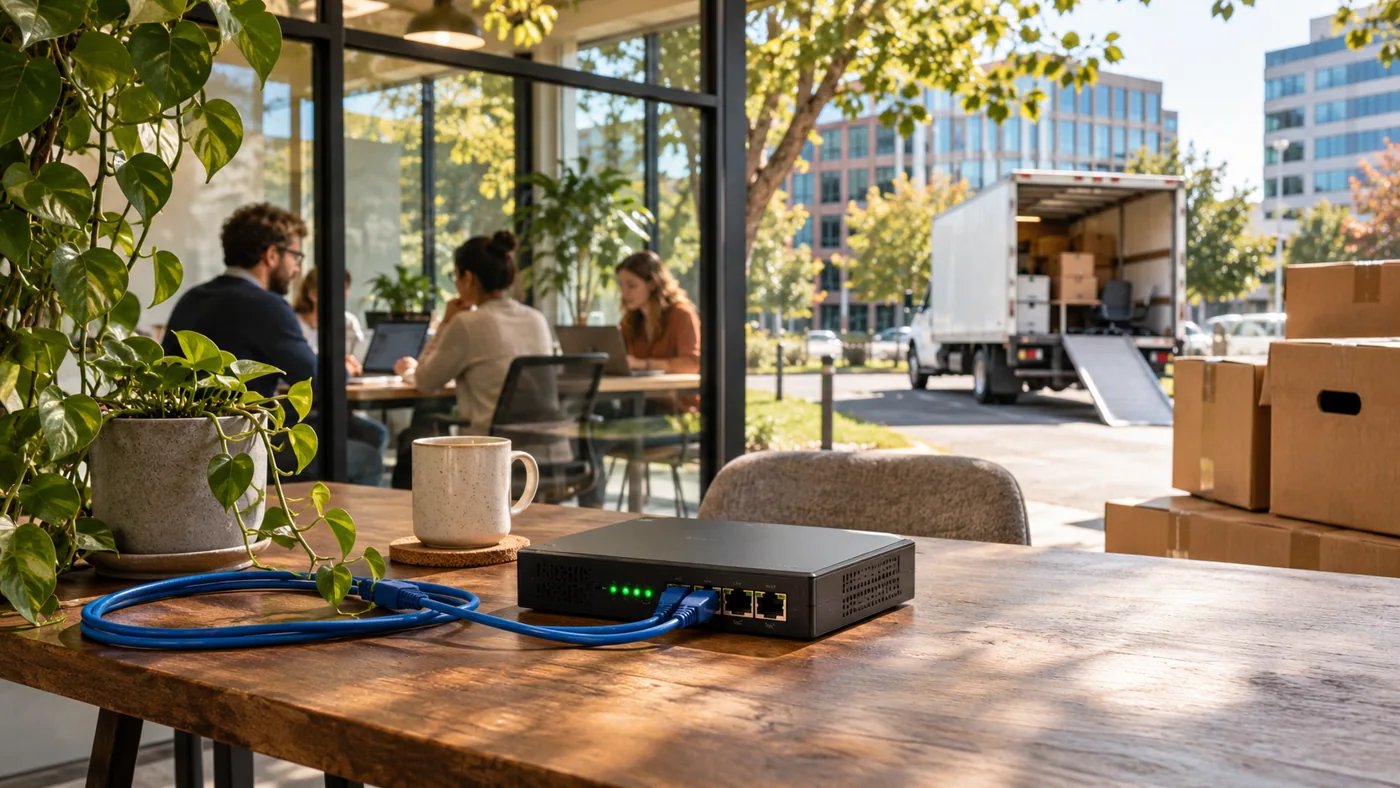
Choose proxy authentication for distributed teams by matching access rules and credential rotation to the places the client runs.

Store and rotate proxy credentials in a QA pipeline with scoped secrets, a rehearsed handoff and a sanitized support record.
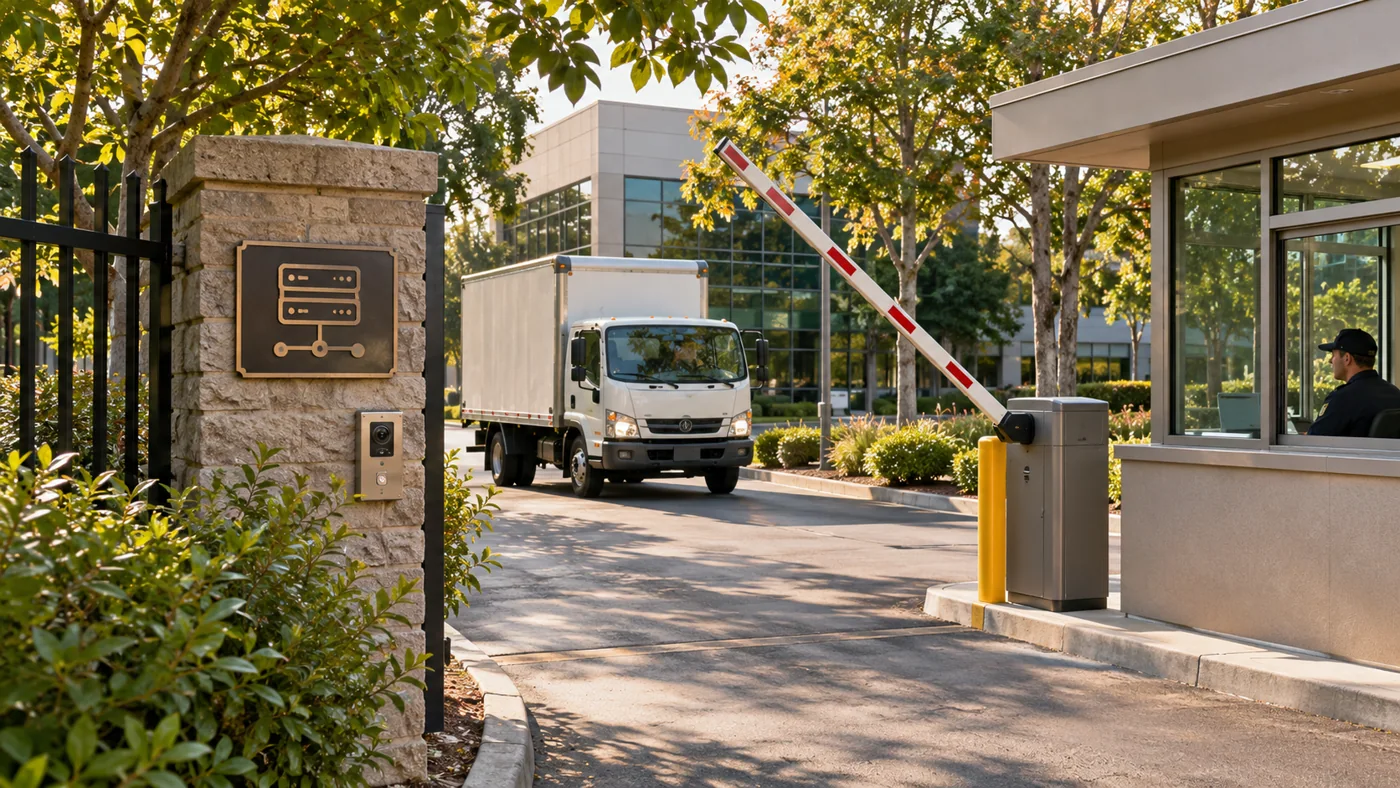
Coordinate a static proxy IP allowlist with a partner API, verify the observed address and prepare for address renewal or replacement.

Choose between country, city and ASN proxy targeting by defining the exact geographic or network signal your application needs.

Investigate conflicting IP city labels using database dates, accuracy radius, app behavior and an agreed acceptance rule.

Benchmark proxy speed using median and p95 latency, defined timing boundaries, sample counts and the customer's actual route.

Interpret time to first byte on a proxy route by comparing connection setup, origin work and realistic read-only application responses.