
Planning an EV charging directory that travellers can actually use
Design an EV charging directory that separates station identity, connector compatibility and live availability, with source dates for travellers.
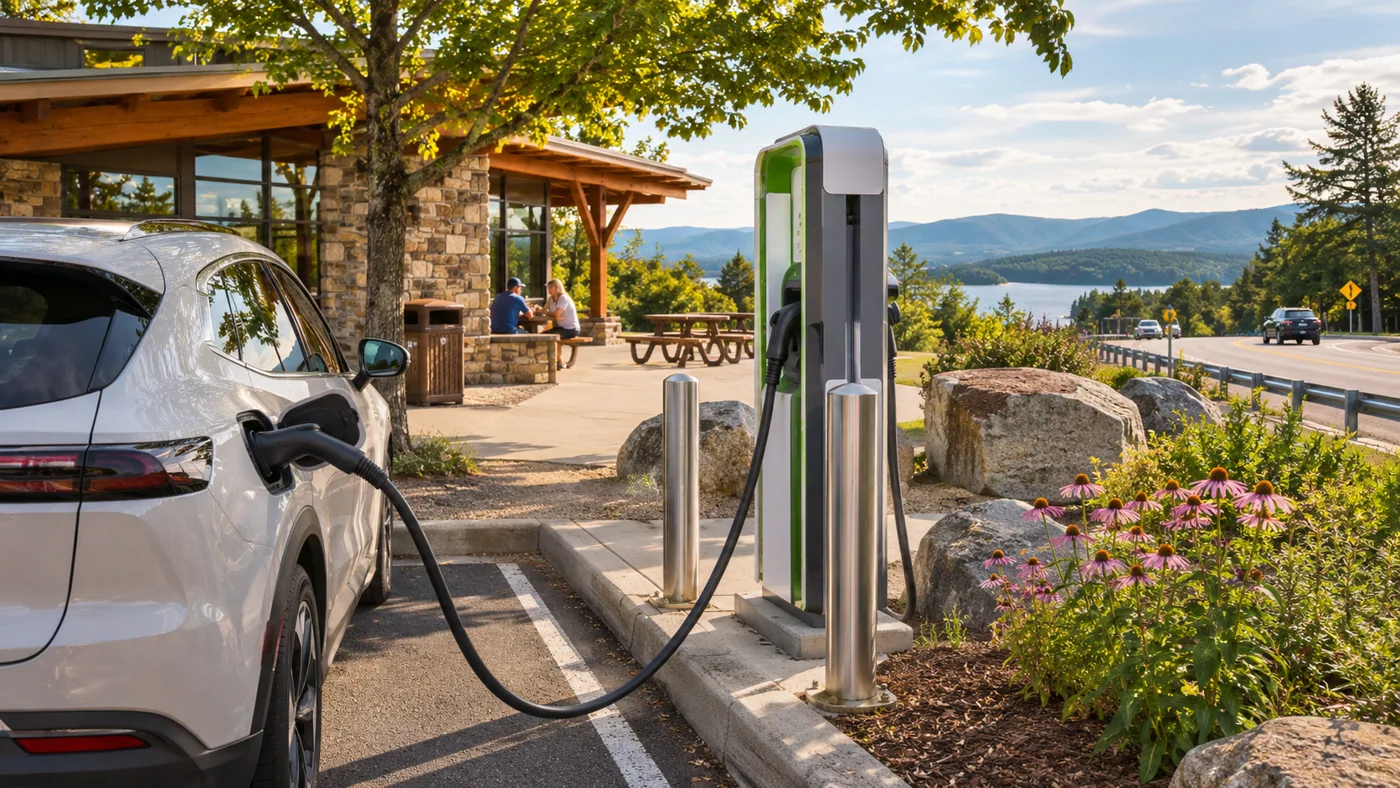
A charging location on a map is a starting point. A driver also needs the correct entrance, a compatible connector and sufficiently recent information. A general business listing may describe a station without reflecting its current operational state.
Separate stable facts from live facts
Use a licensed data source and preserve station identity, location, connector information and the date checked. Treat live connector availability as a different field with its own source and refresh time. If your contract gives you a location catalogue only, publish the missing live state honestly. Google Places data fields reference.
Inspect the regional presentation
An operator can use XtremeProxy to check how its own directory displays units, language and support instructions in each market. Verify that search suggestions and map links point to the intended station. A discrepancy between the directory and the operator’s current feed should be traceable to one station and one observation. That audit trail is more useful to a traveller than an undated claim that every charger is available.
A station may be listed as operational while every compatible connector is occupied. Those statements can both be true. Give the map separate labels for station status and connector availability, including the live timestamp if available. This helps a driver interpret a source update that is already several minutes old.
Four charging connectors share one installation
A directory lists four connectors at a car park. Two operate simultaneously, one requires a specific adapter and one is temporarily offline. A driver asking whether a particular vehicle can charge needs connector compatibility, access hours and a timestamp for live availability. Keep the installation identity stable as individual connector status changes. A regional page check can reveal a stale translation or currency display. Ask the station operator or authorized live feed about operational state.
Handle unknown live status deliberately
Live status may be absent for a connector even when the station operator confirms that the hardware is installed. Present the last update time and any access restrictions, including car-park hours. A driver who can physically connect but cannot enter the facility after closing still needs a different recommendation.
A single station can advertise a high connector rating while dividing power between occupied connectors. Record the operator’s stated sharing policy where available. A socket’s nominal maximum describes a hardware capability. It cannot promise the charging rate a driver will receive during a particular visit.
Preserve the connector's power and access terms
Two available connectors at the same station can have different plug types and maximum power. A vehicle may use one and be unable to use the other. Record the published capability as a limit, separately from the actual delivered rate. A current status record plus compatible hardware is more informative than a station-wide green icon.
Use separate checks for map placement and physical entry. A charging station's coordinate can point accurately to a car park while navigation sends drivers to a locked service entrance on the opposite side. Compare the licensed station coordinate with the operator's authorized approach instructions and the turn-in shown on the directory map. Keep a distinct field for the public entrance if the source provides it. If the operator supplies no route details, describe the location without inventing a gate or access arrangement.
Charging tariffs can use different billing units at the same site. Imagine one operator advertising a price per kilowatt-hour and another advertising a time-based parking fee once charging finishes. Keep energy price, session charge and idle fee in separate fields with their conditions and currencies. A traveler deciding between sites needs to know when each charge starts. Combining them into a single price per unit requires assumptions about energy delivered and time parked that a directory listing alone cannot establish.
Related fieldwork
An EV directory should distinguish installed connectors, compatible connectors and connectors known to be available at a particular time. Store the last live update independently of access hours. EV connector status display focuses on connector status. Auditing franchise opening hours across a network of branches provides a related way to represent holiday access when a station sits inside a time-limited facility. Review XtremeProxy plans and allowances.
Frequently asked questions
Should a directory describe a station as available if it was available yesterday?
Show the observation time and distinguish installed equipment from live availability. When the live feed is stale, preserve the hardware facts and present current occupancy as unknown.