Comparing online prices across countries without false alerts
Compare international storefront prices by SKU, pack size, currency and seller. Learn which changes deserve an alert and which simply reflect a different offer.

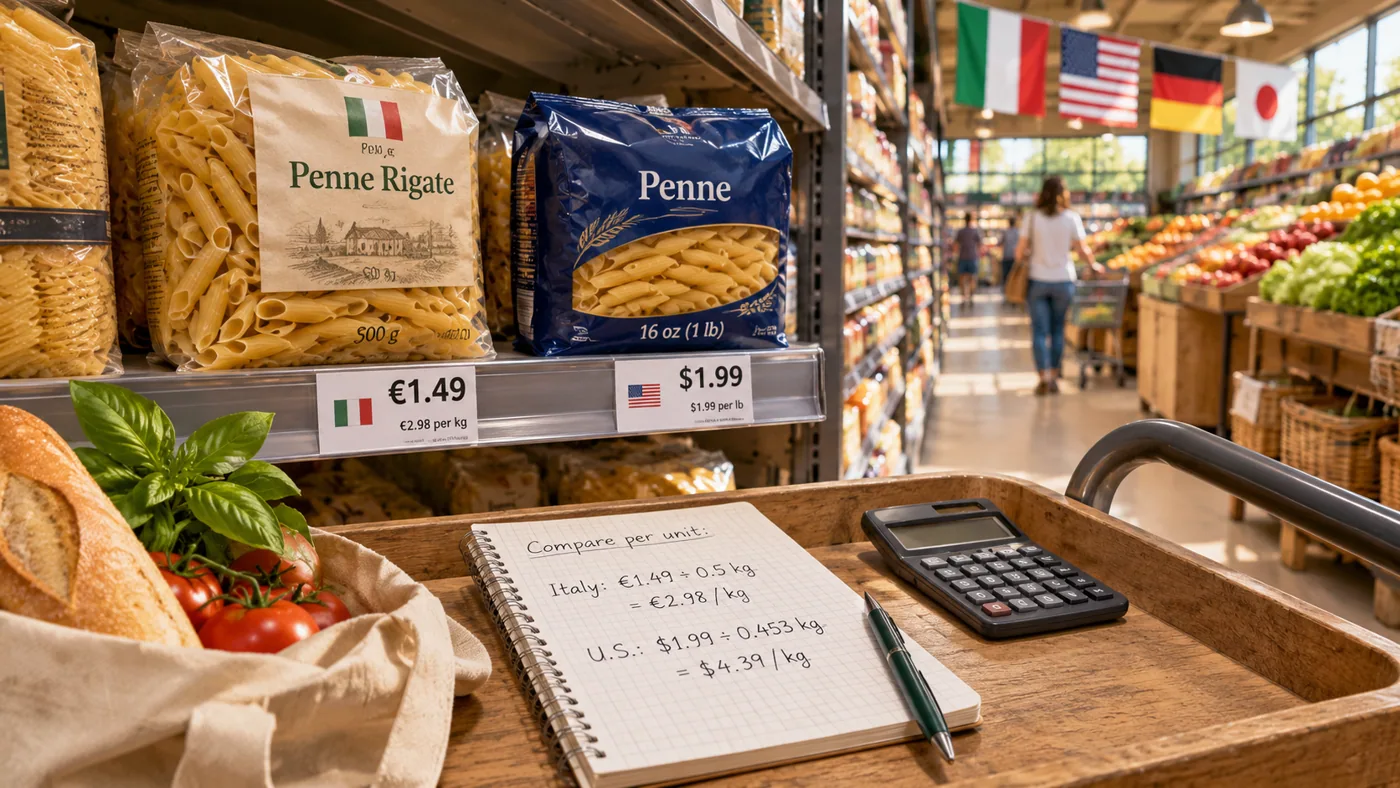
A lower number on a product page can be a currency change, a smaller pack, a members-only price or a genuinely cheaper offer. Before buying traffic for a price monitor, decide which of those events deserves an alert. A procurement analyst and a shopper may want different answers from the same page.
Build a comparable basket
Start with a short list of products you may observe. Match the identifier, pack size, seller, condition and fulfillment method. Save the displayed currency and record whether the price includes delivery. A country-targeted residential proxy helps when your authorized storefront shows a different local assortment. It cannot fix two mismatched products. Google Merchant Center product data specification.
Read the alert like a buyer
Suppose the US page offers twelve units for $18 and another offers eight for $14 in the same currency. The second sticker price is lower but its unit price is higher. Have the monitor return both calculations, alongside a timestamp and the original observation. With XtremeProxy, specify the required viewing country separately from the country where your analytics team is based.
For a weekly buying review, keep one row for offers that cannot be matched. If three shops sell a multipack exclusive to their channel, that difference is valuable assortment information. Forcing those three prices into the comparable-item average would hide the exclusives and distort the price signal.
The cheaper box that costs more per unit
A buyer sees a carton move from 24 bottles at 36 dollars to 18 bottles at 30 dollars. Both offers include delivery to the same depot. Normalizing gives 1.50 dollars and about 1.67 dollars per bottle. The advertised carton became six dollars cheaper while the cost of stocking 72 bottles rose from 108 to 120 dollars. Give the pack change its own event in the purchasing report. If the supplier subsequently restores the larger carton, the history still explains why the comparable series paused.
Preserve commercial units
Use a separate amount for the invoice unit and the analyst's normalized unit. A carton can split into packs at the warehouse, and a merchant may round its display to two decimals. Carry full precision through the calculation and round only the published result. Flag the observation when confirming the order would require joining a membership scheme.
Flag changes in the minimum order quantity. A wholesaler can keep the same price per bottle while changing its minimum from one carton to six. The item remains comparable for a unit-cost series, but the cash required for the smallest permitted purchase has changed. A procurement alert should show both outcomes.
Who gets the cheaper deal?
Run a second comparison using a buyer who needs exactly 24 pieces. One offer charges 16 for 12 pieces, another charges 13 for ten. The unit cost favours the second offer, but satisfying the whole order requires three packs costing 39 instead of two costing 32. Report both the marginal unit cost and the cash cost of the requested quantity. The best choice depends on whether the six surplus units have value to the buyer.
Use a fixed exchange rate to separate a merchant price change from a currency movement. Suppose an item stays at 100 units of the local currency on both observation dates. An exchange rate moving from 0.80 to 0.85 makes its converted price rise from 80 to 85, although the shopper saw no change. Publish the local series beside the converted series. For a merchant repricing alert, compare the local observations first and record the exchange-rate timestamp used for reporting.
A sale badge is a poor starting point for an alert. Save a pair of observations from an ordinary trading day first, including whether the displayed amount already includes sales tax. Then look at a later pair from the same storefronts. If both markets rise in their local currencies but only one exceeds your reporting threshold after conversion, mark the alert as currency-sensitive. A pricing manager can now decide whether to review the merchandise price, the exchange-rate assumption, or both, without losing the original amounts.
Related fieldwork
When presenting a purchase recommendation, lead with the cost of the intended order quantity and show the comparison basis directly below it. Use Bulk pack unit prices to agree the denominator with a buyer. The same arithmetic gets harder with deposits, serving sizes and multibuy conditions. How to compare international grocery prices per unit works through those cases for grocery research. Check XtremeProxy location coverage.
Frequently asked questions
Can exchange rates trigger a purchasing alert?
Keep the supplier’s quoted price and a separate converted series. A movement confined to the converted series belongs to the currency exposure report. Save the rate, direction and observation date with the conversion so another buyer can reconstruct the difference.